BRIDGE ACROSS THE ATLANTIC
We have now sold the salvaged Victorian cast iron balustrade of Westminster Bridge - all 185tons of it. It now forms a link across the ocean.

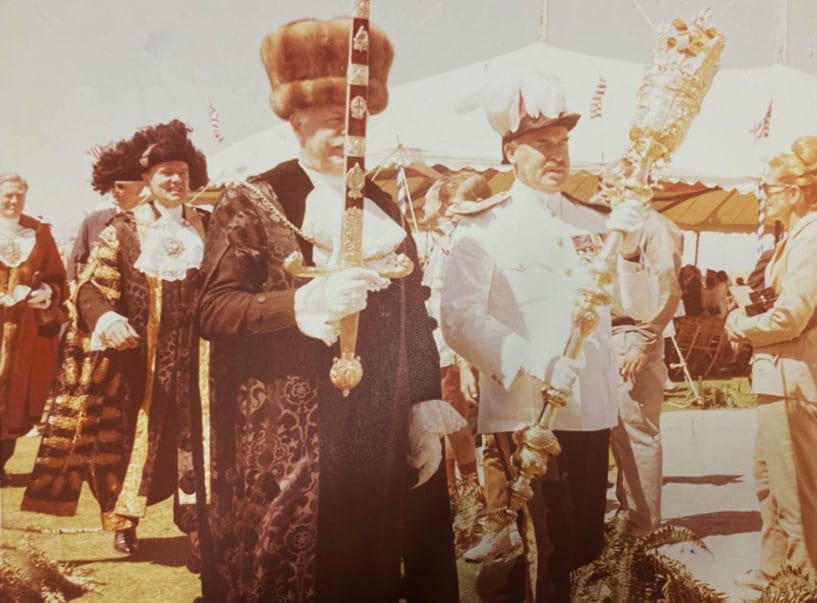
On the morning of 9th October 1971 the Lord Mayor of London, Sir Gilbert Inglefield, together with a party of dignitaries, sat in the front row of chairs laid out in a marquee on London Bridge listening to speeches. They were dressed in all their finery: frock coats with the chains of office about their necks, beaver-skin hats on their heads and stockings and buckled shoes on their feet. They were probably quite hungover as they had attended a spectacular banquet, with a carnival and fireworks, there in the marquee the night before.
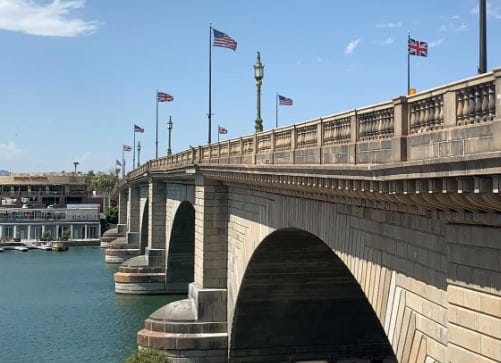
In all their finery the London dignitaries were extremely hot. As the formalities began the October temperature was already over 90degrees Fahrenheit … yes 90degrees. This was because, whilst they were sitting on the roadway of the actual London Bridge, they were not sat above the grey, murky River Thames in central London, they were on the edge of the Mojave Desert in Arizona. They were guests of Robert McCulloch (1911-77), the man who had bought the salvaged London Bridge from The Corporation of London and had it shipped to America as a showpiece in his great project: Lake Havasu City.
The new city was being built from scratch alongside an artificial lake (created in previous decades in order to supply water to Los Angeles 300miles away). Robert McCulloch’s city centre – the downtown – was to occupy an isthmus and the neck of that isthmus needed to have a large bridge over a new channel. The ceremony and festivities that weekend, for which the Lord Mayor and his team were flown over, were to re-dedicate the 140year old London Bridge and formally declare it open in its new home.
McCulloch was an oil baron from Missouri and was known as “The Chainsaw Millionaire”. The drive to build a city alongside the lake was sparked by his desire to diversify his core business manufacturing chainsaws, to now include making outboard engines. His business had outgrown the factories in Los Angeles, that had no proximate freshwater lakes on which to develop and test the engines. So he determined to sell the factories by LAX airport and build afresh, relocating to a 40square mile swathe of desert that he bought in Arizona. It was certainly a bold plan.
An “urban myth”, often still repeated today, originated at that very opening ceremony: that “the Americans thought that they had bought Tower Bridge!”; English wags recount this story with glee, but it isn’t true. The joke was actually coined by McCulloch himself in his speech to the sweating London dignitaries sitting there in their ermine that morning: “We thought we were buying Tower Bridge – the one that does that!!” (levers his hands – everybody laughed).
London Bridge, as built by John Rennie (and sons) in 1831, dismantled by 1968 and shipped to Lake Havasu, is still there today. It looks magnificent in the desert sunshine. Comprising 10,000tonnes of Scottish and Dartmoor granite (applied to new concrete spans) it is certainly the largest singular salvaged architectural structure to cross the Atlantic.
But now it isn’t the only historic bridge from London to make the trip.
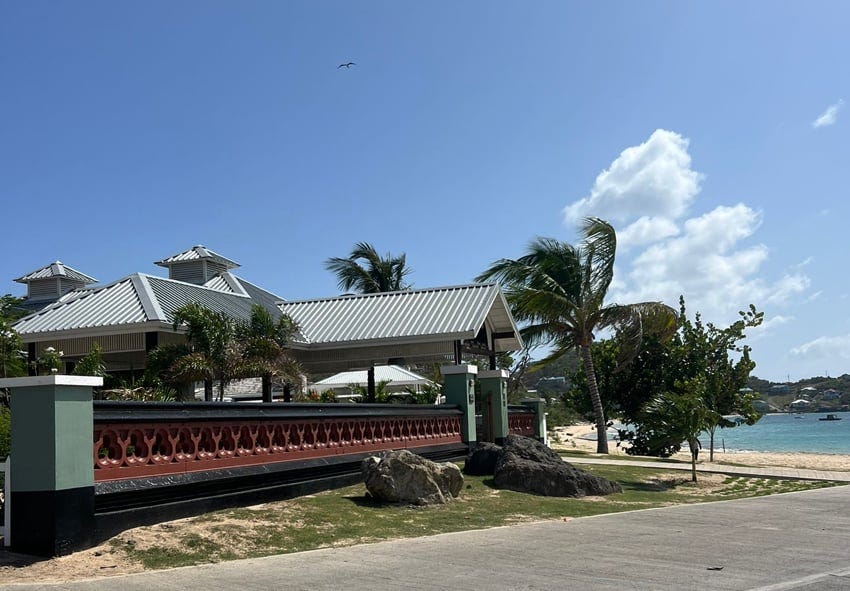
On Tuesday 2nd July 2025, 53years since the London Bridge ceremony, in a more modest opening celebration, but one brimming with gratitude, pride and thanksgiving, a happy band of dignitaries and islanders gathered at the new Ferry Terminal on the tiny Caribbean island of Canouan. After speeches, awards and music, the small throng made their way to the seaward entranceway between a long run of Victorian iron balustrades that now front the new terminus complex – and they cut the ribbon declaring it open. That balustrade is the magnificent ironwork from Westminster Bridge built in 1862 by Thomas Page (1803-77) and Sir Charles Barry (1795-1860) and designed to match Pugin’s then new, gothic Palace of Westminster. (The iron parapet on the bridge today is a 1997 copy).
What is truly remarkable is that this opening ceremony was held only a year to-the-day since Hurricane Beryl laid waste to the island. The category 5 super-storm barrelled across the Southern Grenadines on 2nd July 2024. Each island it encountered in its path was devastated.
As Beryl howled off into the Gulf of Mexico, the residents picked themselves up and surveyed the wreckage. They were very lucky to have in their number a benefactor with the resources and expertise to re-establish and re-construct the destroyed ferry terminal – vital infrastructure. And he happened to have just bought from LASSCO eleven articulated truck-loads - that’s 185tons - of the Westminster Bridge ironwork from which to embellish the restoration.
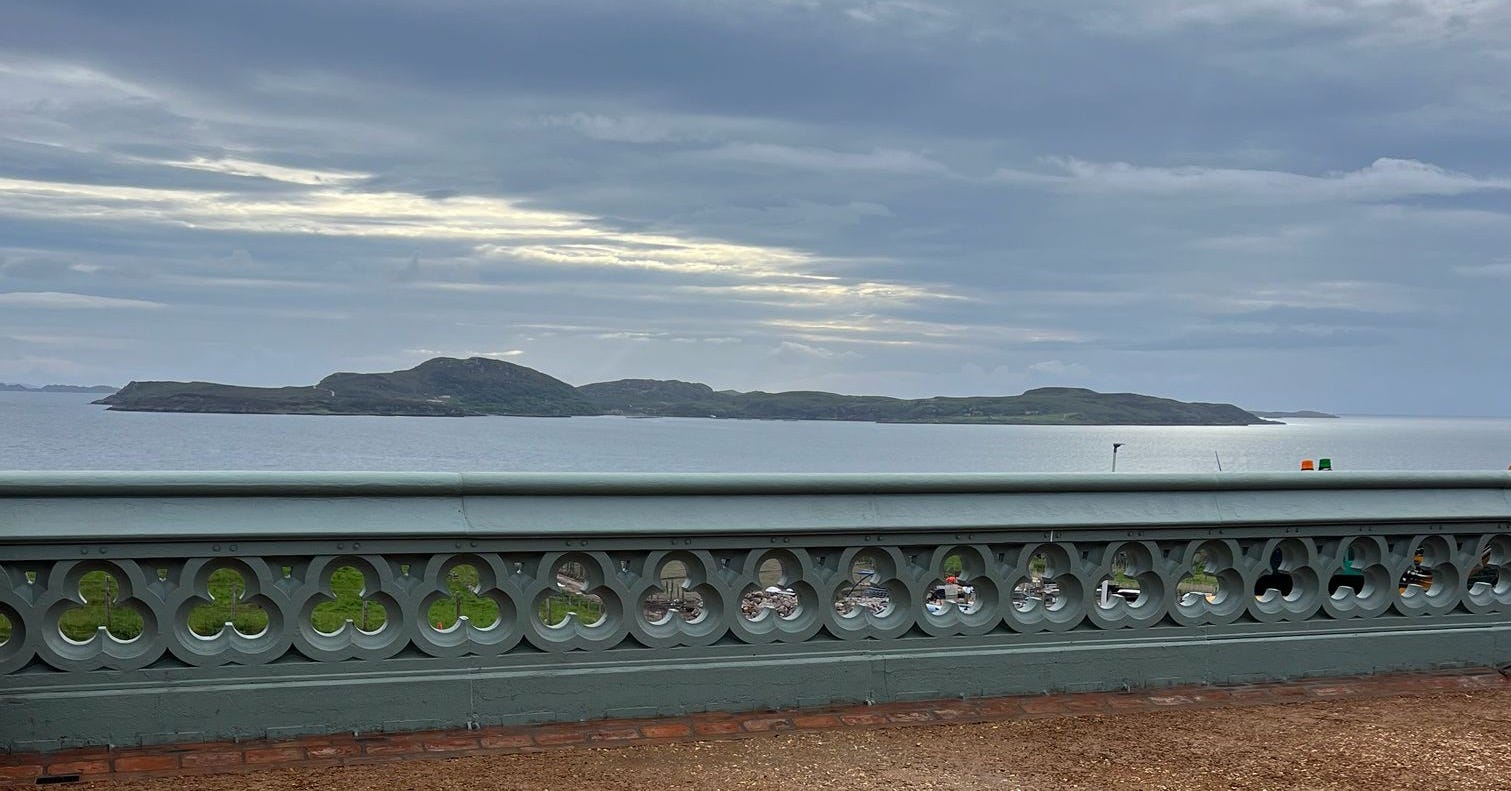
The new ferry terminal complex has been created, wherever possible, from materials salvaged from the wreckage of the hurricane. It has been designed in the local vernacular and the buildings are corralled together with the long, protective, iron parapet, cut with its distinctive trefoils. As with the granite London Bridge in the Arizona desert, the iron Westminster Bridge looks tremendous in the Caribbean sunshine.
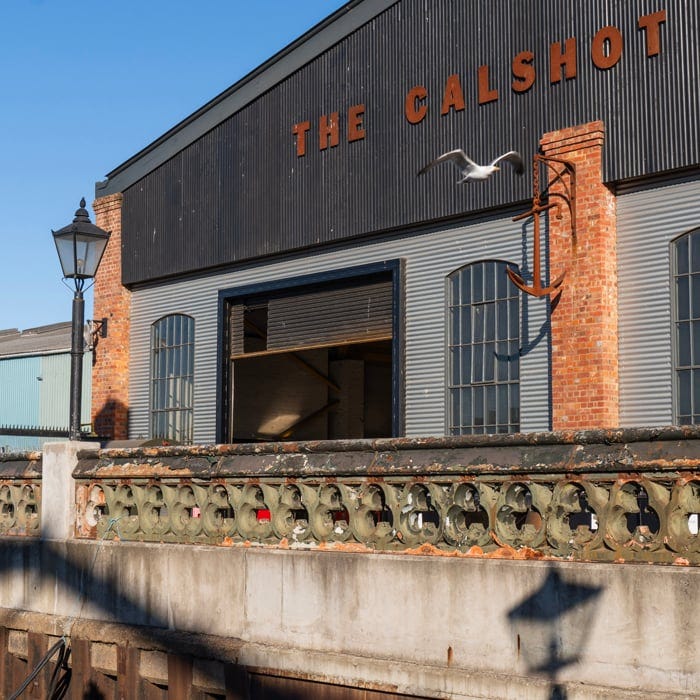
That benefactor, who prefers not to be named here, had bought all of the Westminster Bridge ironwork from our Oxfordshire shop, where we had displayed 20tons of it (the whole consignment about 185tonnes in total and measuring over 330 running meters remained in storage in the north of England). He initially installed a long run of it fronting his commercial property, a quayside on Southampton Water in Hampshire. It worked beautifully there – dropping into place on an existing low concrete sea-defence wall. Always with plans to utilise the ironwork on a couple of other projects, the havoc of Hurricane Beryl modified his intentions and, in a commendable act of philanthropy, long runs of the Westminster Bridge ironwork now front the new Ferry terminals in the Grenadines.
After this rapid restoration at Canouan as well as the neighbouring island Mayreau, where the bridge has been used in a similar ferry-port design, there are plans underway to incorporate the ironwork at other island ferry-ports in the Grenadine chain as re-building work continues. He comments:
“I felt it was appropriate in the rebuilding to use the bridge as well as materials that came from the devastation of the hurricane which were repurposed. With this everyone carries the scars with pride and positivity that from this disaster came a rebirth.”
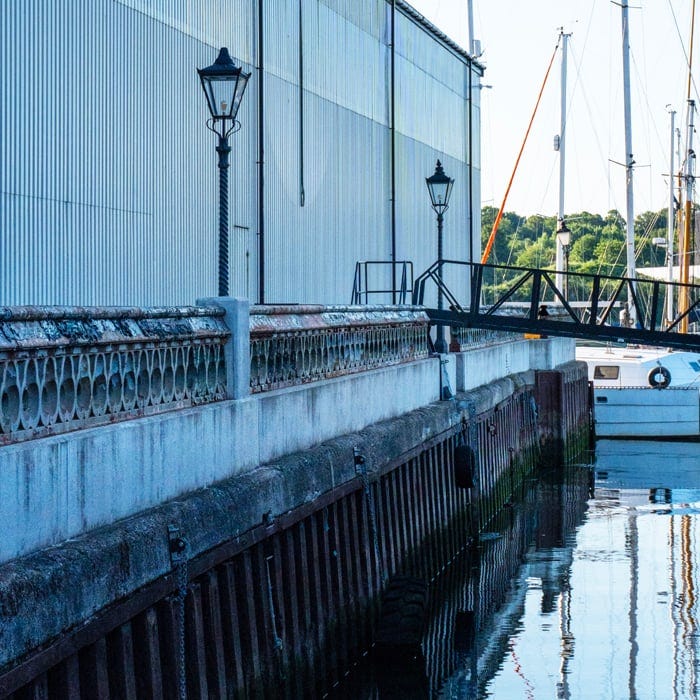
And now the appropriate-ness extends further. More of the Westminster Bridge balustrade has now found a new home in Scotland too.
It happens that the Southern Grenadines - Grenada and Carriacou have a longstanding connection with Scotland: Lisa Williams, an historian in Edinburgh comments, in a return to the islands this week: “Almost every part of Carriacou is historically connected to Scotland … through names, cotton plantations, boatbuilding, music, the lime factory…”.
With the installations in the Southern Grenadines, now continuing in Scotland, the old balustrade of Westminster Bridge forms a cast-iron link between the two.
For the full story of how London Bridge got to Arizona read: Travis Elborough’s “London Bridge in America” Vintage 2014.